
Until the Middle Ages, art in Norway ran parallel with art produced in most Nordic countries. Viking Art was dominant between the 8th and 11th centuries. Norse art, as it’s also referred to, incorporated influences from Germanic, Celtic, and even Romanesque and Eastern European art. Like most places in Europe, the type of art produced …
Artists

Hungary is a country in the eastern part of Europe and has been inhabited by a wide variety of people since the early Middle Ages. When the Árpád conquered this territory in the 9th century it marked the start of the history of Hungarian art. Like in most other places in Europe, art during the …
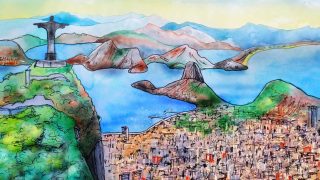
Just like most other parts of the world, art in Brazil has been produced for as long as humans have lived in the region of this modern-day country in South America. Various native peoples who lived here left behind all sorts of art, including cave paintings, sculptures, and pottery. What we define as Brazilian art …
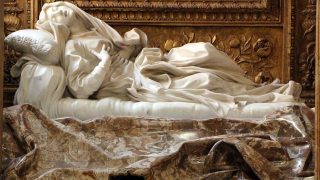
The Baroque era emerged in the early 17th century and emerged when Baroque sculptors abandoned the ideals of the Renaissance sculptors before them. They had to fill the footsteps of some of the greatest artists in history. This included Renaissance artist Michelangelo (1475-1564) and Mannerist artist Benvenuto Cellini (1500-1571) to name a few. This wasn’t …
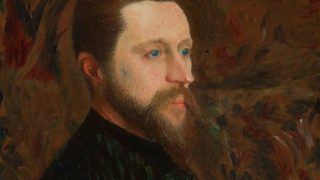
A young French artist attempted to master a revolutionary new painting technique. He ended up producing one of the most influential paintings of the late 19th century. Georges Pierre Seurat (1859-1891) was a Post-Impressionist artist who was extremely determined to make a name for himself. Little did he know that he would change the course …
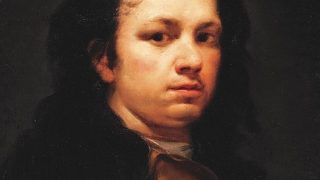
The life of one of the most renowned Spanish artists in history reads like a dramatic story, regardless of the copious amounts of talent that he was blessed with. Francisco José de Goya y Lucientes (1746-1828) is better known as simply “Francisco Goya.” His career started extremely successful and was dominated by several incidents later …
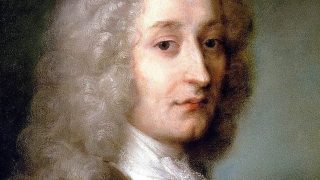
The Baroque era was fading in France in the late 17th century. A more classical version of the usually overly theatrical Baroque was preferred during the reign of King Louis XIV. One particular French artist managed to revive the ideals of the 17th-century Baroque artists and transform them into a completely new era of frivolous …
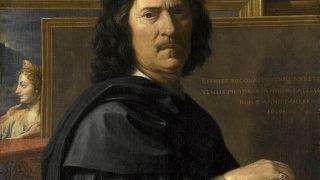
The Baroque era emerged in the 17th century, and one of the leading French artists of this period lived and worked most of his professional career in Rome. Nicolas Poussin (1594-1665) managed to incorporate a classical style into the overly dramatic Baroque paintings that Baroque artists produced at the time. This notion made him one …
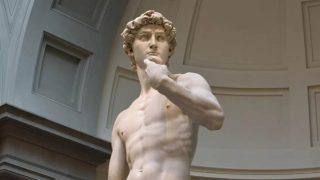
Most art historians agree that the Renaissance started in the 14th century. The first Renaissance artists emerged in the latter half of this century. This amazing period in human history saw gradual changes that affected all parts of life in Europe. The essence was to surpass the achievements of classical antiquity. This happened in a …
Art in Ireland has been produced since at least 3,200 B.C. when Neolithic stone carvings were added to prehistoric monuments. Contact with Britain and Northern Europe introduced various forms of art to Ireland by 300 B.C., including art created by the La Tène culture and Celtic art. Ireland became Christian in the 5th century and …